The Suzuki Methodology: Beyond the Books and Into the Heart of Teaching
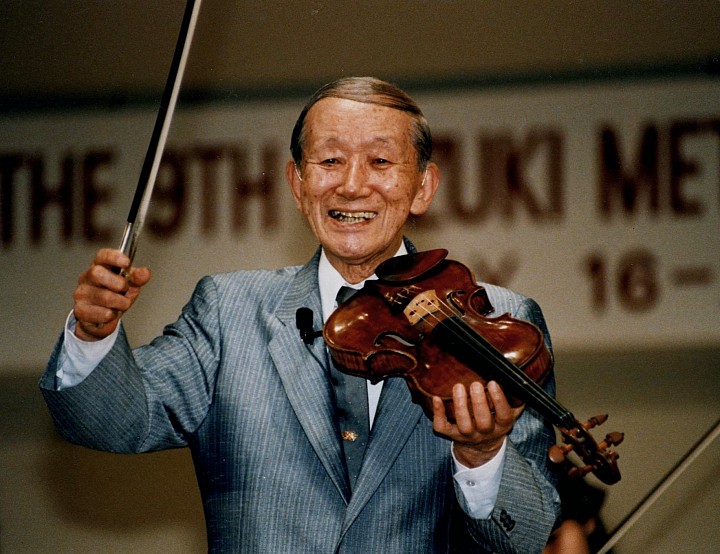
The Suzuki Methodology is one of the most recognized and widely used approaches to learning the violin (and other instruments) worldwide. Developed by the Japanese violinist and educator Shinichi Suzuki, this method goes beyond simply teaching music. It’s built on a philosophy that learning music should mirror the way children naturally acquire language, in what he termed the „mother-tongue“ approach. Just as children learn to speak by listening, imitating, and practicing with encouragement, Suzuki believed that these principles could be applied to learning an instrument.
At the core of this methodology is a beautiful relationship often described as the „Suzuki triangle“—a collaborative bond between the teacher, student, and parent. Together, they create a nurturing environment where learning music is a shared experience. This partnership is key to the method’s success, as it encourages the child to grow in a supportive space, much like the way children learn to speak through immersion in their mother tongue.

The Structure of the Suzuki Methodology
The Suzuki method is known for its progressive design. Students begin with simple pieces and techniques and gradually move to more complex ones. Each piece introduces a new technical challenge while reinforcing previous skills, so the learning process builds in a very organic and integrated way.
One of the essential elements of Suzuki is that the process focuses not just on learning individual pieces but on fostering a deep understanding of technique, musicianship, and love for music. This makes the method much more than a step-by-step approach to repertoire. The goal is to cultivate a well-rounded musician through immersion, repetition, listening, and parental involvement.
However, while Suzuki is a well-structured methodology, there is an important point to keep in mind: the method is only as effective as the teacher who implements it. It’s a common misconception that simply following Suzuki guarantees success. The truth is, the methodology is a tool—one of many that teachers can use—and its effectiveness depends heavily on the teacher’s professionalism, dedication, and ability to inspire the student.
The Business Side of Suzuki
Another aspect of the Suzuki world is that it’s not just a methodology, but also a brand and a business. Becoming a certified Suzuki teacher requires going through multiple levels of courses, which are quite expensive and time-consuming. To become an official „Suzuki teacher,“ one must commit to continuous learning, climbing a ladder of certification. While some teachers find value in this progression, others have compared it to a „pay-to-play“ system, where constant investment is required to advance, with some comparing it to climbing levels in organizations like Scientology.
This can create an economic burden for teachers, who feel the pressure to pursue these certifications to be considered “official” or legitimate. While many fantastic violinists—like Hilary Hahn and Ray Chen—have come from Suzuki backgrounds, their success wasn’t solely due to following the method. In fact, much of their development came from a combination of factors: the quality of the teacher, the support of their parents, and of course, a natural inclination and talent for music.
Misconceptions About the Suzuki Books
A common pitfall many teachers and students fall into is confusing the Suzuki books with the Suzuki methodology itself. The books are a well-known set of violin pieces designed for the progressive learning system, but playing through these alone does not mean you’re practicing the Suzuki method. The real method involves the immersive approach, with regular listening, playing by memory, and the development of technique through a series of carefully constructed steps.
If you’re interested in truly understanding and applying the Suzuki methodology, one of the best resources is the „Step by Step“ series by Kerstin Wartberg. In my experience, these books provide the clearest path for students, giving detailed explanations of each step along with accompanying audio. This combination makes practice not only more fun but also improves intonation and rhythm in an effective way. Unlike the traditional Suzuki books, which are primarily collections of pieces, Wartberg’s series provides the structure and guidance that aligns more closely with the heart of the Suzuki methodology.
You can buy it here! ⬇️

Suzuki as One Tool Among Many
In conclusion, while Suzuki is an amazing methodology, it should not be the only tool in a teacher’s toolkit. Teaching violin (or any instrument) is a complex and deeply personal journey, both for the student and the teacher. The Suzuki Method provides a wonderful foundation, but the best teachers draw from a wide range of sources and techniques. Experts like Mimi Zweig, Paul Rolland, and Kato Havas offer equally valuable perspectives that can enrich a teacher’s approach and help them develop their unique teaching style.
The Suzuki method should be one part of that exploration—an important piece of the puzzle, but not the whole picture. Ultimately, the success of any musical education comes down to the relationships, the learning environment, and the passion of both the teacher and the student.